


As Nigeria moves closer to the 2027 elections, a familiar question begins to emerge again: will Nigerians show up to vote?
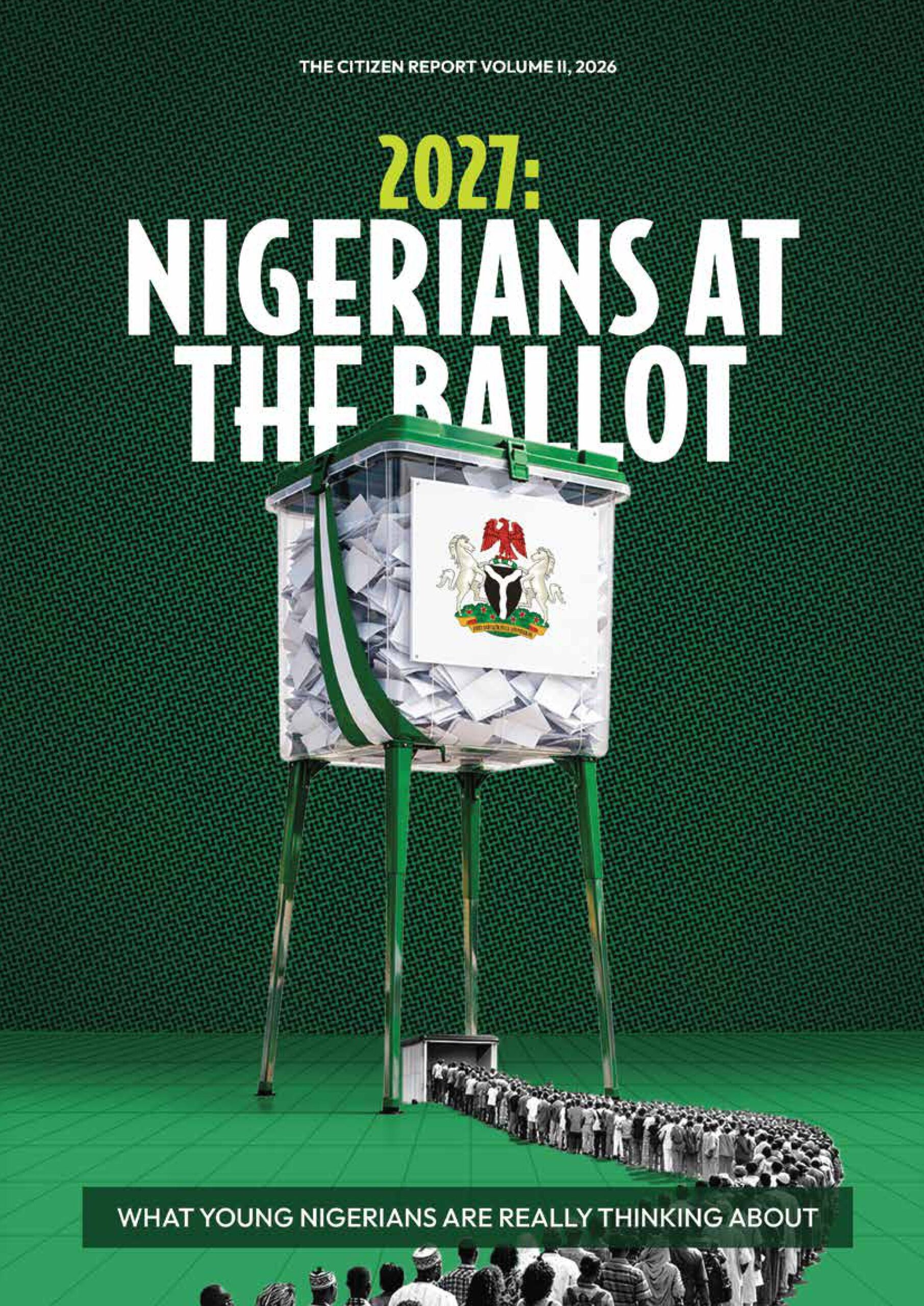
The Citizen Report is a flagship report created by Citizen by Zikoko in partnership with TechCabal Insights. For this year’s edition, we set out to understand how young Nigerians are thinking about political participation. To do this, we analysed responses from over 10,000 young Nigerians about their attitudes and perceptions towards elections. Drawing from these findings, this article explores four key questions shaping youth engagement ahead of the 2027 election.
Will you be voting in the next election?
Nigeria’s voter turnout has witnessed a steady decline since its peak in the 2003 elections, when turnout reached 69%. Since then, participation has dropped sharply. In the just concluded 2023 elections, voter turnout was only 27% — the lowest level in Nigeria’s democratic history. Yet this is not a story of total disengagement or apathy. In fact, many young Nigerians say they still intend to vote in 2027. So even though participation is shrinking, interest has not completely disappeared.
Click here to download the Citizen Report: Nigerians at the Ballot
How does trust in electoral institutions impact participation?
One major factor influencing youth participation in elections is declining trust in electoral institutions. Respondents in our study indicate low confidence in key actors, including INEC, the judiciary and political parties. When trust in these institutions weakens, elections are no longer widely seen as credible pathways to political change. This weakens the belief that voting itself can make a difference.
Distrust is further reinforced by what happens on election day. Many young Nigerians report witnessing electoral malpractice, including vote buying, intimidation at polling units and other forms of election-related violence. These experiences shape how people think about future participation and discourage some from returning to the polls in the next election cycle.
[Explore the Zikoko Citizen Misinformation Dashboard Here]
Could 2027 narrow Nigeria’s gender gap in politics?
There is also a significant gender imbalance in Nigeria’s political space. Nationwide, women account for about 4.4% of elected officials. However, public attitudes appear more supportive than reality suggests. Survey responses show that more than 80% of young Nigerians say they would support female candidates. The question now is whether this public sentiment will translate into greater representation in upcoming elections.
What could this mean for Nigeria’s 2027 elections?
Taken together, these trends show that the future of elections in Nigeria remains uncertain. If distrust and negative experiences continue, turnout could remain low or decline even further.
However, the willingness of many young Nigerians to participate, combined with growing public support for broader representation, also presents an opportunity. Ultimately, the trajectory towards Nigeria’s 2027 election will depend on whether electoral institutions can rebuild confidence and whether political actors can convince voters that participation will lead to meaningful change.
Click here to download the Citizen Report: Nigerians at the Ballot