Beyond the Report: How TC Insights Turns Research into Action
Beyond the Report: How TC Insights Turns Research into Action
As Africa’s digital economy continues to evolve rapidly, TechCabal Insights (TC Insights) provides the intelligence layer that helps DFIs, NGOs, financial institutions, global tech companies, startups, investors, and public sector actors make sense of it all. TC Insights is owned by Big Cabal Media, the parent company behind TechCabal, one of Africa’s most influential technology publications.
Our research has covered fintech, healthtech, artificial Intelligence, climate technology, digital infrastructure, venture capital, and the broader state of Africa’s technology ecosystem. But in 2026, TC Insights began asking a critical question: what happens after the report is published?
The Challenge
Research identifies trends, opportunities, and challenges, but it rarely captures the full context behind them. The people best positioned to interpret those findings, founders, investors, operators, regulators, and practitioners, are often consuming the same report from different perspectives and in isolation. This creates a persistent challenge. Data can tell us what is happening, but it does not always explain why. It cannot fully capture the behavioural, operational, regulatory, and market realities shaping outcomes on the ground. In Africa’s rapidly evolving technology ecosystem, where decisions around investment, product development, regulation, and market expansion increasingly rely on high-quality intelligence, that missing context matters. Important questions often remain unanswered: Why are certain trends emerging? Which constraints are invisible in the data? Which findings matter most to the people closest to the problem? And what actions should follow?
For TC Insights, the challenge was clear: how do we move beyond publishing insights to creating the conditions for collective sense-making and action? The answer was not more research. It was creating a space where the ecosystem could engage directly with the research and with one another.
The Approach
In January 2026, TC Insights relaunched its town hall series alongside theState of Tech in Africa 2025 Year in Review report, our flagship assessment of the continent’s digital economy. Thirty-five ecosystem stakeholders attended, with full participation in every session. While the discussion was valuable, it also revealed an important lesson:
The quality of discussion depends not simply on attendance, but on bringing together participants who can contribute different perspectives to the same challenge.
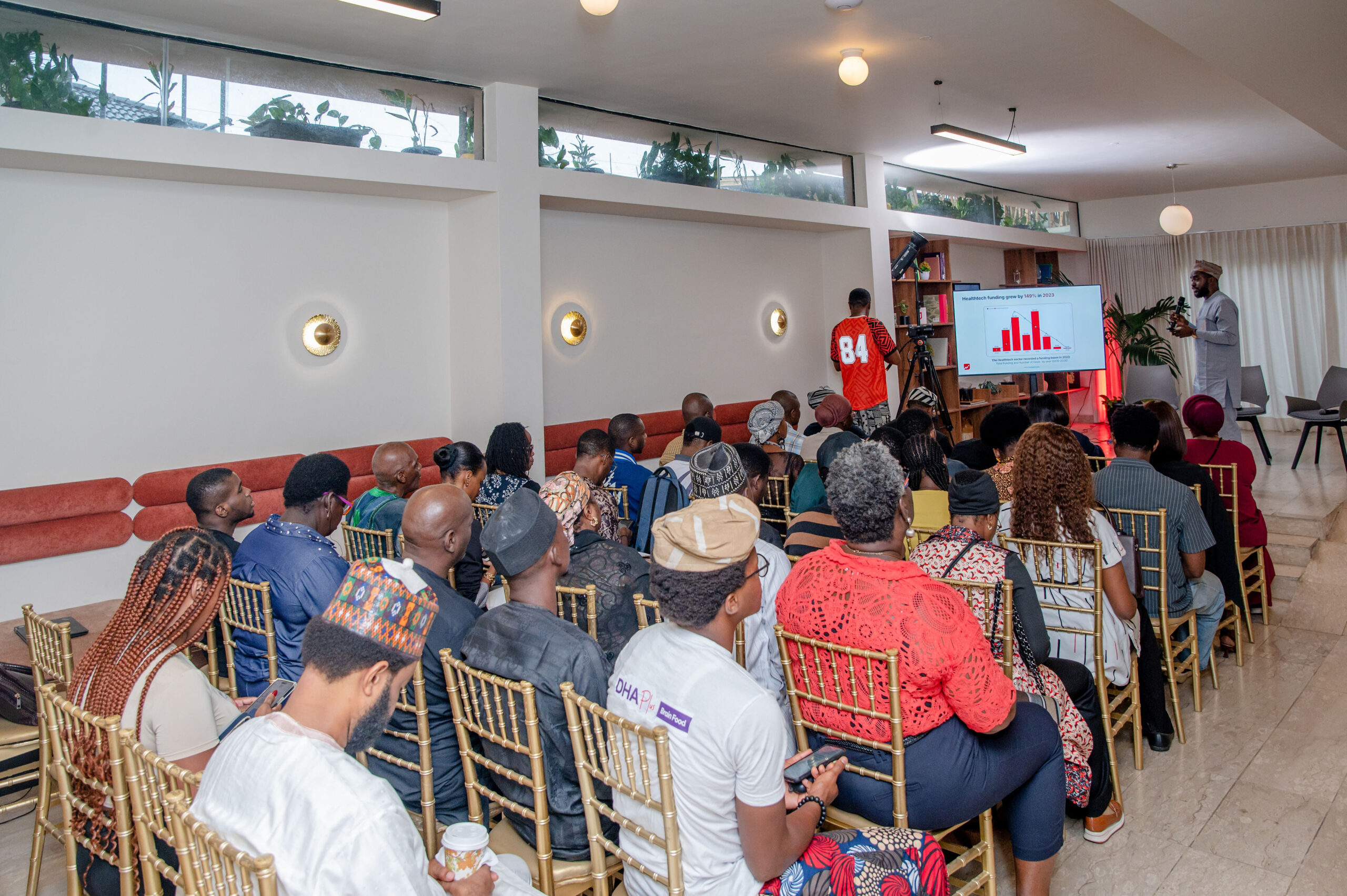
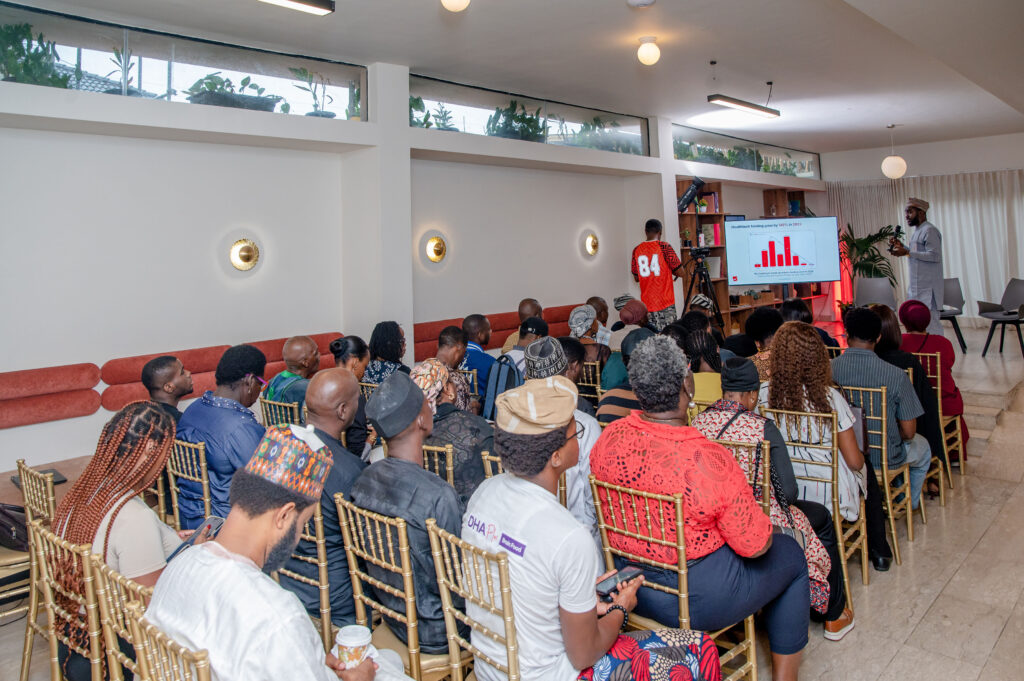
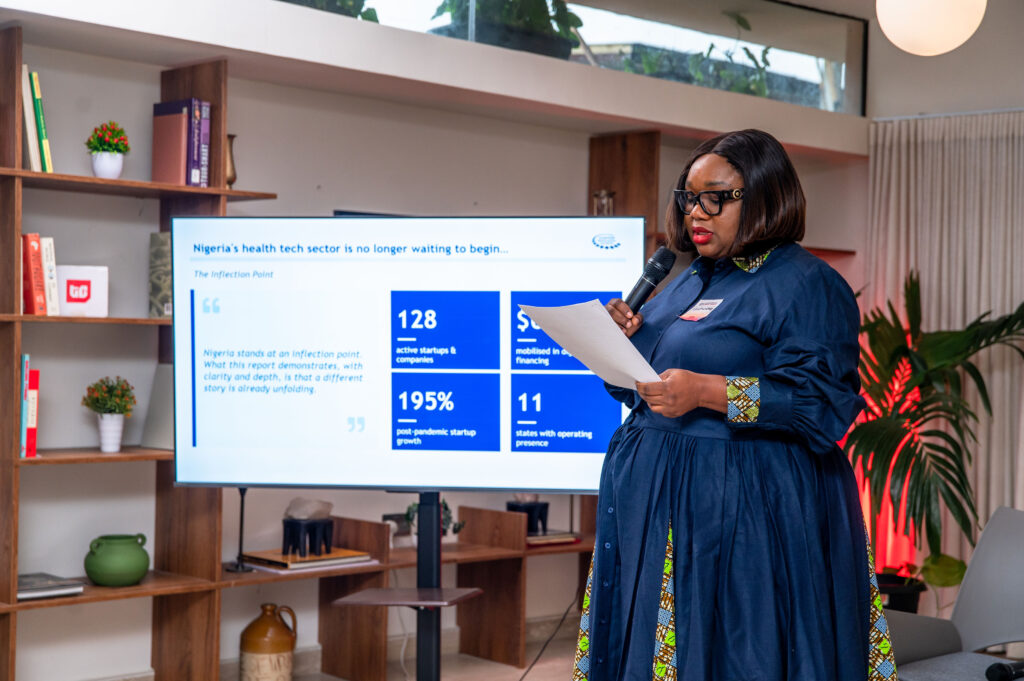
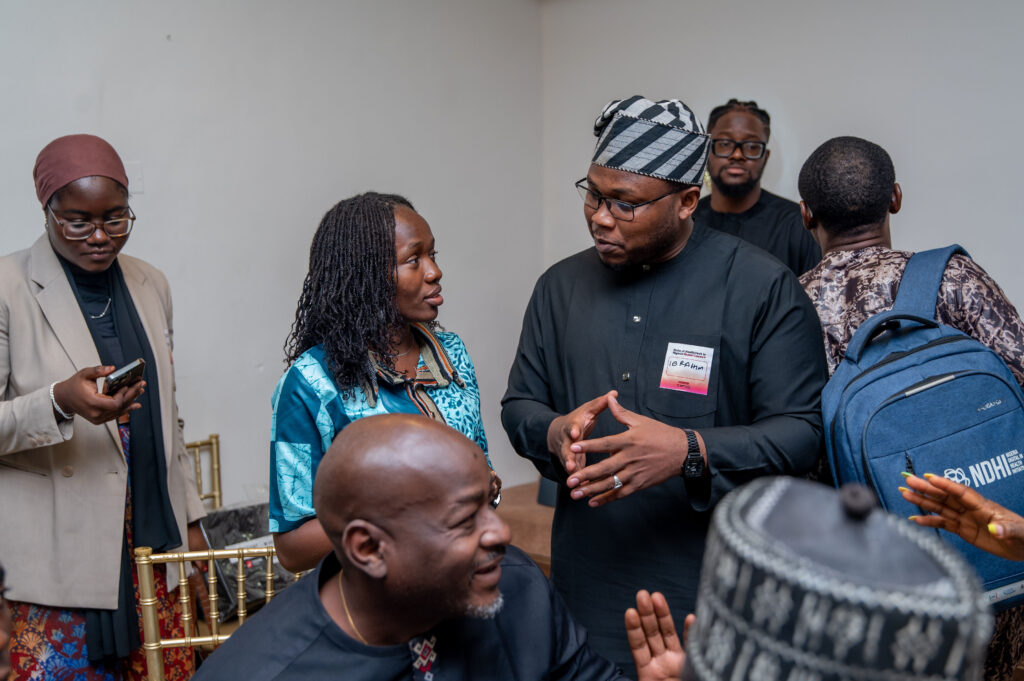
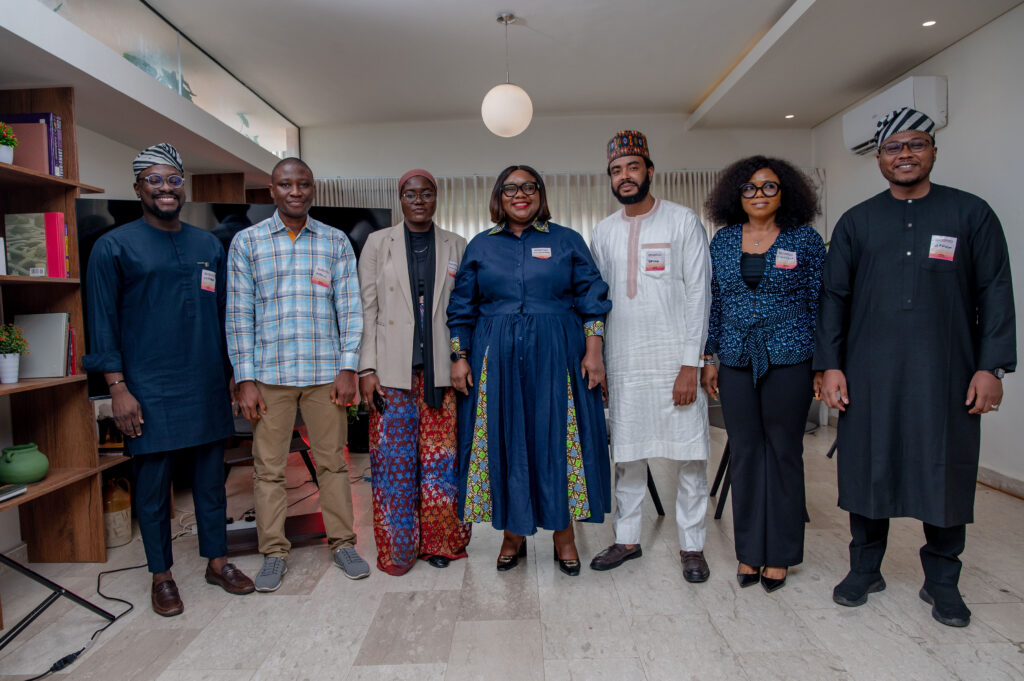
The next opportunity to apply that lesson came with the launch of theState of HealthTech in Nigeria report in May. Building on the January experience, TC Insights convened a deliberately curated mix of founders, investors, healthcare practitioners, operators, policymakers, development partners, and ecosystem leaders working across Nigeria’s healthtech landscape. The result was a more focused and dynamic discussion, grounded in lived experience and practical sector knowledge.
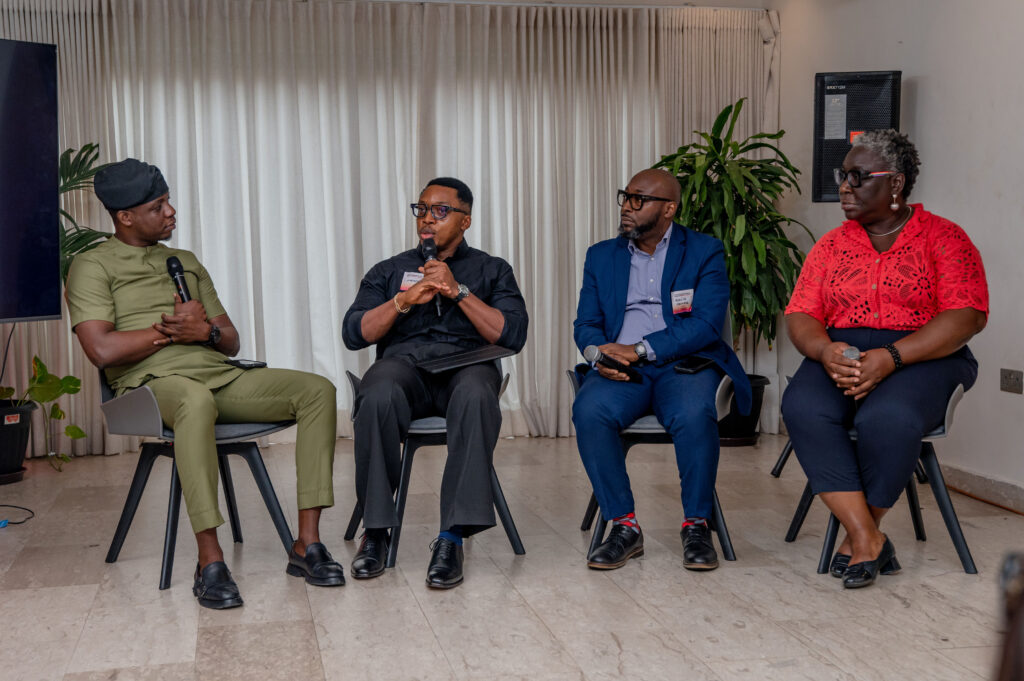
Participants challenged the assumption that healthcare innovation is primarily a technology problem. They argued that trust and behaviour often determine healthcare choices more than the availability of solutions. Patients frequently choose what feels familiar and accessible, even when better alternatives exist. The result was a more focused and dynamic discussion, grounded in lived experience and practical sector knowledge.
Participants challenged the assumption that healthcare innovation is primarily a technology problem. They argued that trust and behaviour often determine healthcare choices more than the availability of solutions. Patients frequently choose what feels familiar and accessible, even when better alternatives exist.
The discussion also reframed infrastructure challenges. Many healthcare gaps are not simply the result of missing infrastructure, but of fragmented systems that are poorly connected and coordinated. Existing networks, from pharmacies and ambulance services to community health structures and informal care networks, already play critical roles. The challenge is often to improve coordination and efficiency rather than to build entirely new systems.
Attendees also questioned the assumption that healthtech solutions should always operate independently. Several participants argued that embedding innovations into systems that already have distribution, trust, and established user bases may be a faster path to adoption than building new channels from scratch.
These discussions added important context to the report’s findings, revealing operational realities and stakeholder perspectives that are difficult to capture through research alone.
The Result
The State of Tech in Africa 2025 Year in Review report recorded a 41.2% increase in downloads from the previous reporting period, more than five times the baseline from the previous year, achieved entirely through organic distribution. The State of HealthTech in Nigeria townhall saw attendance grow by over 70% compared to January, reflecting stronger audience targeting and greater sector relevance.
Post-event report downloads increased by over 120%, demonstrating sustained engagement with the research well beyond the convening itself. The most significant outcome, however, was qualitative. As attendees reflected after the session:
“A strong takeaway was the importance of soft infrastructure: agent networks, community leaders, religious institutions, logistics coordination, and embedded distribution systems. Many successful sectors already scale through these systems. Healthcare may need to do the same instead of trying to rebuild behaviour entirely from scratch. The event also reinforced how important patience is in healthcare innovation. Trust-building, behaviour change, and system integration happen gradually, not overnight.” — Dr Chinonso Egemba
These were not findings contained in the report. They emerged because the right people were in the room, and they are already shaping TC Insights’ future research agenda and convening approach.
What We Learned
The return of the townhall format reinforced a simple insight: research becomes more valuable when it is tested, challenged, and enriched by the people working closest to the issues it explores. The first two townhalls also demonstrated that curation matters as much as content. The strongest discussions emerged when founders, practitioners, investors, operators, policymakers,
and ecosystem partners examined the same challenge through different lenses. The sessions highlighted the value of pairing quantitative research with qualitative ecosystem intelligence. Reports can identify trends and patterns, but conversations provide the context needed to interpret them and uncover perspectives that data alone may miss.
For TC Insights, the townhall has become an important extension of the research cycle, helping ensure that future reports are informed not only by data but also by the realities, experiences, and insights shaping the sectors we cover.
What’s Next
A third town hall is scheduled for July, returning to the State of Tech in Africa Report H1, 2026 theme with a more focused stakeholder mix and lessons drawn directly from previous sessions. Additional townhalls are planned across climate technology, income and livelihoods, digital infrastructure, and other sectors shaping Africa’s digital future.
The goal is not simply to publish better research. It is to ensure that research remains connected to the people, decisions, and realities it is ultimately designed to serve.
TechCabal Insights (TC Insights) is a data and insights company that helps DFIs, NGOs, financial institutions, state governments, global tech brands, investors and African startups to understand and solve critical digital economy challenges. To explore partnership opportunities or learn more about upcoming reports and townhalls, visit insights.techcabal.com or contact [email protected].